Share
Arthritis is a broad term for conditions that affect the joints, causing symptoms such as pain, stiffness, swelling, and reduced mobility. It is not a single disease—different types of arthritis have different causes, symptoms, and treatment approaches.
Some forms, such as osteoarthritis, involve changes in the tissues within a joint, while others, such as rheumatoid arthritis, occur when the immune system attacks joint tissue. Arthritis can affect people of different ages and may interfere with everyday activities such as walking, climbing stairs, or using the hands.
Understanding the type of arthritis is important because early diagnosis and appropriate treatment can help manage symptoms and protect joint function. Gentle massage may also be part of an everyday comfort routine for some people, but massage oils do not cure arthritis or replace medical care.
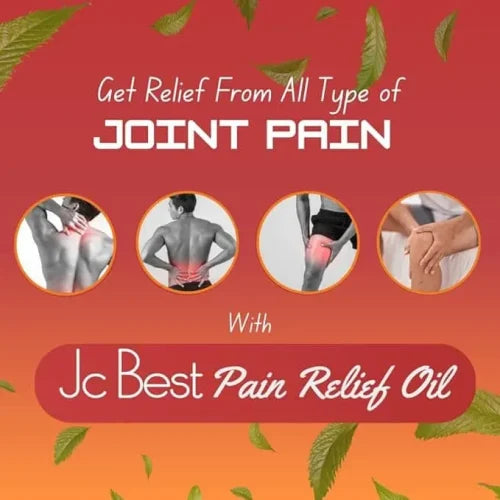
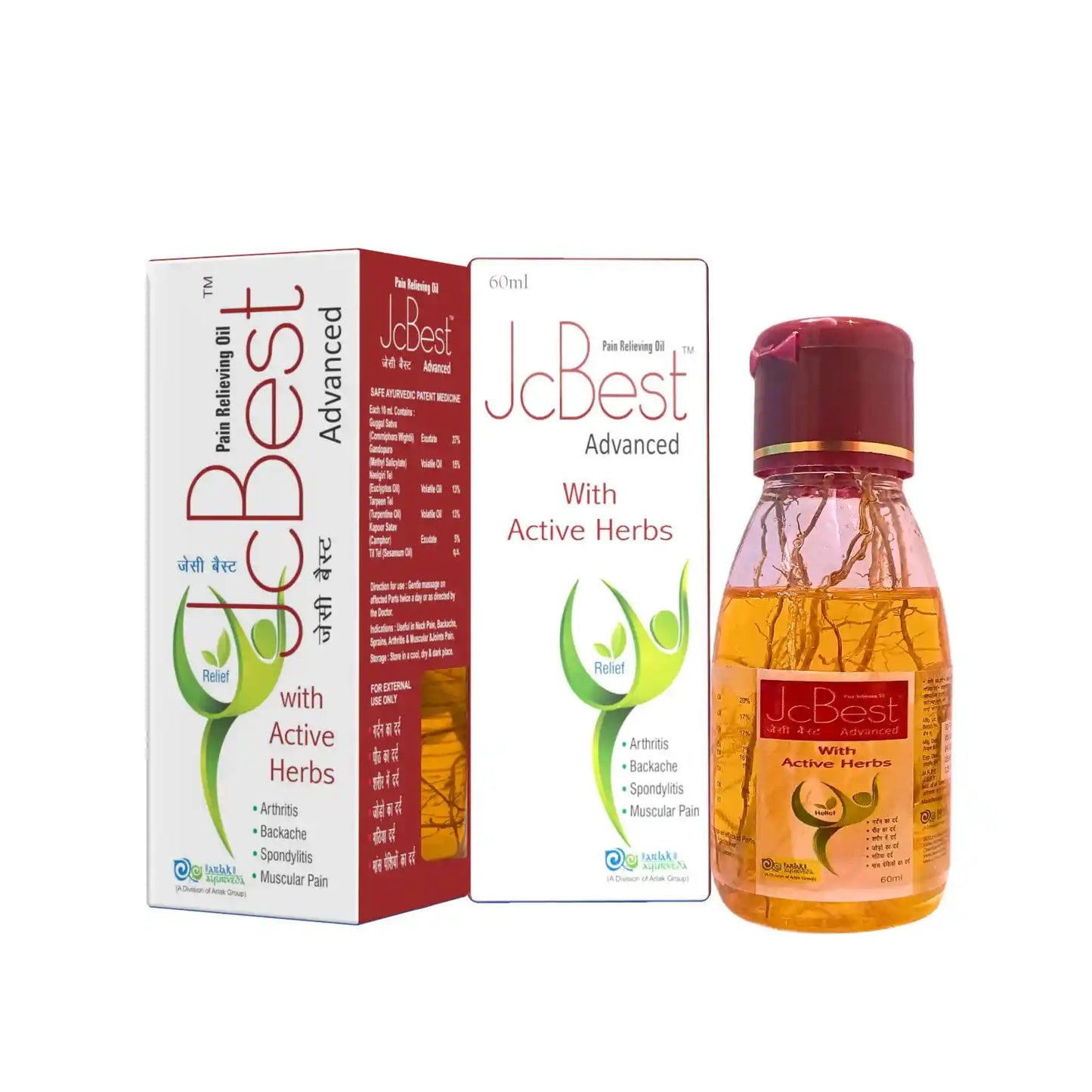
For individuals looking for everyday joint comfort, JC Best Ayurvedic Oil can be considered as part of a gentle massage routine. However, massage oil does not cure arthritis or replace medical treatment.
What Is Arthritis?
Arthritis refers to a group of conditions that cause inflammation or damage in and around the joints. Joints are the points where two bones meet, allowing the body to move. Arthritis may affect the knees, hips, hands, fingers, shoulders, or other joints.
Symptoms can range from occasional stiffness to persistent pain that affects daily life. The type of arthritis, its severity, and the joints involved determine how it is managed.
What Are the Main Types of Arthritis?
The most common types of arthritis include:
1. Osteoarthritis: This develops when the protective cartilage in a joint gradually breaks down. It commonly affects the knees, hips, hands, and spine and may cause pain during movement and stiffness after rest.
2. Rheumatoid arthritis: This is an autoimmune condition in which the immune system mistakenly attacks the lining of the joints. It can cause pain, swelling, warmth, and prolonged morning stiffness, often affecting multiple joints.
3. Gout: Gout occurs when uric acid crystals accumulate in a joint, leading to sudden episodes of severe pain, redness, and swelling. The big toe is a common site, although other joints can also be affected.
4. Psoriatic arthritis: This type of inflammatory arthritis can develop in people with psoriasis, a condition that affects the skin. It may cause swollen joints, stiffness, and discomfort around tendons.
Each type has different causes and treatment needs, so a medical assessment is important when arthritis is suspected.
Osteoarthritis vs Rheumatoid Arthritis: What Is the Difference?
|
Feature |
Osteoarthritis |
Rheumatoid Arthritis |
|
Main mechanism |
Changes and breakdown of joint tissues, including cartilage |
Autoimmune inflammation affecting the joint lining |
|
Commonly affected areas |
Knees, hips, hands and spine |
Often hands, wrists, feet and other joints |
|
Morning stiffness |
Often shorter, particularly after inactivity |
Can last longer, sometimes more than 30–60 minutes |
|
Swelling |
May occur |
Common and may involve warmth |
|
Typical management |
Exercise, physical therapy, pain management and other treatments based on need |
Medicines to control inflammation and disease activity, alongside appropriate exercise and other care |
Symptoms can overlap, so this comparison cannot diagnose the type of arthritis. A healthcare professional can assess symptoms and recommend appropriate tests and treatment.
What Causes Arthritis?
Arthritis does not have one single cause. Contributing factors vary depending on the type. They may include ageing-related joint changes, family history, previous joint injuries, autoimmune activity, excess body weight, and certain metabolic conditions.
Age can increase the risk of osteoarthritis, but arthritis is not limited to older adults. Some types can develop in younger people as well. Previous injuries and repetitive stress on joints may also contribute to joint problems.
What Are the Common Symptoms of Arthritis?
- Common arthritis symptoms include:
- Joint pain during movement or at rest
- Stiffness, especially after waking up or sitting for a long time
- Swelling or tenderness around a joint
- Reduced flexibility or range of motion
- Warmth or redness in an affected joint
- Difficulty performing routine activities
The pattern of symptoms can offer clues about the type of arthritis, although symptoms alone cannot confirm a diagnosis. Osteoarthritis may cause pain that becomes more noticeable during or after activity, while rheumatoid arthritis may cause persistent joint swelling and prolonged morning stiffness. Gout often develops suddenly, with intense pain and swelling in one joint.
If joint pain keeps returning, limits normal activities, or occurs alongside persistent swelling or stiffness, arrange an assessment with a healthcare professional.
How Is Arthritis Diagnosed?
Diagnosing arthritis usually starts with a review of your symptoms, medical history, and physical examination. A healthcare professional may assess joint swelling, tenderness, movement, and stiffness.
Depending on the suspected type of arthritis, further investigations may include:
- Blood tests: These may help identify signs of inflammation or support the assessment of certain inflammatory or autoimmune conditions.
- Imaging tests: X-rays or other scans may be used to assess joint changes when appropriate.
- Joint fluid analysis: A sample of fluid from an affected joint may help identify gout crystals or investigate a possible joint infection.
Not everyone needs every test. The appropriate assessment depends on the symptoms and the suspected cause. Early evaluation can be particularly important when inflammatory arthritis is suspected.
Everyday Care for Arthritis and Joint Comfort
Although arthritis cannot always be prevented, appropriate care can help manage symptoms and support mobility.
Stay physically active: Choose suitable activities such as walking, swimming, or gentle range-of-motion exercises. A healthcare professional or physiotherapist can help identify safe movements for your condition.
Maintain a healthy weight: For people with knee or hip osteoarthritis, managing weight may reduce pressure on affected joints.
Balance activity with rest: Avoid repeatedly overloading painful joints. Take breaks during household tasks and consider assistive tools when needed.
Follow medical advice: Depending on the type of arthritis, treatment may include prescribed medicines, physiotherapy, exercise, and other interventions. Do not stop prescribed treatment without consulting your healthcare professional.
Consider gentle massage Some people find gentle massage comforting for surrounding muscle tension. JC Best Ayurvedic Oil may be used as a massage oil according to its label directions, provided it suits your skin. Avoid applying it to irritated or broken skin, and stop if irritation occurs. Massage should not be used as a substitute for arthritis treatment or applied forcefully over a swollen, hot joint.
Using Heat or Cold for Joint Discomfort
Heat and cold may help relieve some arthritis symptoms, depending on the situation.
- Heat: A comfortably warm compress may help ease stiffness before movement.
- Cold: A cold pack wrapped in a towel may help reduce discomfort and swelling in some circumstances.
Avoid placing very hot or very cold items directly on the skin. People with reduced skin sensation or circulation problems should seek professional advice before using these methods.
Heat and cold can help with symptoms, but they do not treat the underlying cause of arthritis.
How JC Best Ayurvedic Oil is fit for Arthritis care?
JC Best Ayurvedic Oil can be considered as a massage oil for everyday muscle and joint discomfort. Gentle massage may feel comforting for some people, particularly when tension in the muscles surrounding a joint contributes to discomfort.
For people living with arthritis, however, massage should be approached carefully. Avoid forceful pressure over painful, swollen, warm, or inflamed joints. The suitability of massage can vary depending on the type of arthritis and whether symptoms are currently active.
JC Best Ayurvedic Oil is not a cure for arthritis and should not be used as a replacement for prescribed medicines, physiotherapy, or advice from a healthcare professional. If you choose to use it, follow the product's label directions and discontinue use if skin irritation occurs.
Explore JC Best Ayurvedic Oil for your everyday massage routine.
Frequently Asked Questions (FAQs)
1. Can Arthritis Affect Young Adults?
Yes. Although some forms of arthritis become more common with age, arthritis can also affect children, teenagers, and younger adults. Rheumatoid arthritis and other inflammatory forms may develop in younger people. Persistent joint pain or swelling should be evaluated rather than automatically attributed to ageing or physical activity.
2. What is the main cause of arthritis?
There is no single cause. Osteoarthritis is associated with cartilage breakdown, while rheumatoid arthritis involves an autoimmune response. Genetics, previous injuries, age, and other health factors can also influence arthritis risk.
3. What Is the Difference Between Arthritis and Joint Pain?
Joint pain is a symptom that can have many causes, including injury, overuse, inflammation, and arthritis. Arthritis refers to a group of conditions affecting the joints. Not every episode of joint pain is caused by arthritis, which is why persistent or recurring symptoms may need medical assessment.
4. What are the first signs of arthritis?
Early signs may include recurring joint pain, stiffness after waking or resting, tenderness, swelling, and reduced flexibility. Persistent symptoms should be assessed by a healthcare professional.
5. Can arthritis be cured completely?
There is currently no universal cure for all types of arthritis. However, appropriate treatment, exercise, lifestyle changes, and medical monitoring can help many people manage symptoms and maintain function.
6. Is walking good for arthritis?
Suitable physical activity, including walking, can help maintain mobility and strengthen supporting muscles. The right activity level depends on the type and severity of arthritis. Seek professional guidance if movement causes significant pain.
7. Can Ayurvedic oil help with arthritis pain?
Massage with an oil may provide comfort for some people, particularly when muscle tension is also present. However, evidence that Ayurvedic oils treat arthritis or prevent joint damage is limited. They should not replace prescribed treatment.
8. Can I use JC Best Ayurvedic Oil for massage in Arthritis pain?
JC Best Ayurvedic Oil can be considered for gentle massage as part of an everyday comfort routine, following the product label directions. Avoid forceful massage over swollen or hot joints, discontinue use if irritation occurs, and consult a healthcare professional for persistent joint symptoms.
Read More about -
Can Stress cause muscle pain?
Natural ways to manage muscle pain.
पीठ दर्द के लिए घरेलू उपाय
Body Pain After a Long Day?
Can Muscle Pain Relief Oil Replace Physiotherapy?
Which Natural Ingredients Help Relieve Pain?
Muscle Pain Massage: फायदे, सीमाएं और जरूरी बातें