Share
Yes, dehydration can contribute to muscle cramps, soreness, and pain, particularly when your body loses fluids during exercise, hot weather, sweating, or prolonged physical activity. Staying adequately hydrated is an important part of everyday muscle care. However, muscle cramps and pain can have many other causes, so persistent or severe symptoms should not automatically be attributed to dehydration.
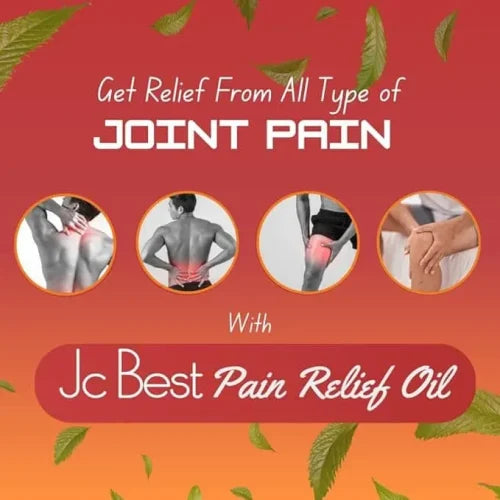
For people looking for a natural pain relief oil, JC Best Ayurvedic Oil can be incorporated into a gentle massage routine alongside hydration, movement, and adequate recovery.
How Can Dehydration Cause Muscle Cramps?
Your muscles need the right balance of fluids and electrolytes to function normally. When you lose more fluid than you replace, your body can become dehydrated. This may occur after heavy sweating, intense exercise, spending long periods outdoors in hot weather, or simply not drinking enough fluids throughout the day.
Dehydration may be associated with:
-
Muscle cramps or spasms
-
Muscle fatigue
-
General body discomfort
-
Feeling weak or tired
-
Reduced physical performance
Cramps often feel like a sudden, involuntary tightening of a muscle. They can affect the legs, calves, feet, or other muscle groups.
However, dehydration is not the only possible reason for muscle cramps. Overuse, muscle fatigue, prolonged physical activity, certain medications, and other health conditions can also play a role.
Can Dehydration Cause Muscle Pain Too?
Dehydration may contribute to muscle discomfort, especially when combined with physical exertion or excessive sweating. When your body is low on fluids, you may feel more fatigued and physically uncomfortable.
For this reason, hydration should be considered part of a broader muscle pain management routine rather than relying on a single solution.
If you regularly experience muscle pain without an obvious reason, it is worth considering other factors such as activity levels, sleep, physical strain, prolonged inactivity, or an underlying health issue.
What Can You Do to Prevent Dehydration-Related Muscle Cramps?
A few simple habits can support better hydration and muscle care:
1. Drink Fluids Regularly
Instead of waiting until you feel extremely thirsty, make drinking fluids a regular part of your day. Your fluid requirements can vary depending on your activity, environment, diet, and individual needs.
2. Pay Attention to Sweating
Hot weather and physical activity can increase fluid loss. If you spend a lot of time outdoors or exercise regularly, remember that you may need more fluids than usual.
3. Avoid Sudden Over exertion
Suddenly increasing exercise intensity or performing unfamiliar physical activities can place additional stress on your muscles. Increase activity gradually and allow adequate recovery.
4. Include Gentle Movement
Regular movement can help prevent muscles from becoming overly stiff after long periods of inactivity. Gentle stretching and comfortable movement can also be useful as part of an everyday muscle-care routine.
5. Give Your Muscles Time to Recover
If your muscles feel tired after physical activity, allow them adequate rest. Recovery becomes particularly important after strenuous exercise or physically demanding work.
Can Massage Help When Muscles Feel Sore?
Gentle massage may be useful as part of a personal muscle-care routine. Massage works by manipulating soft tissues and has been studied for several types of pain and discomfort. It should, however, be viewed as a complementary approach rather than a treatment for dehydration itself.
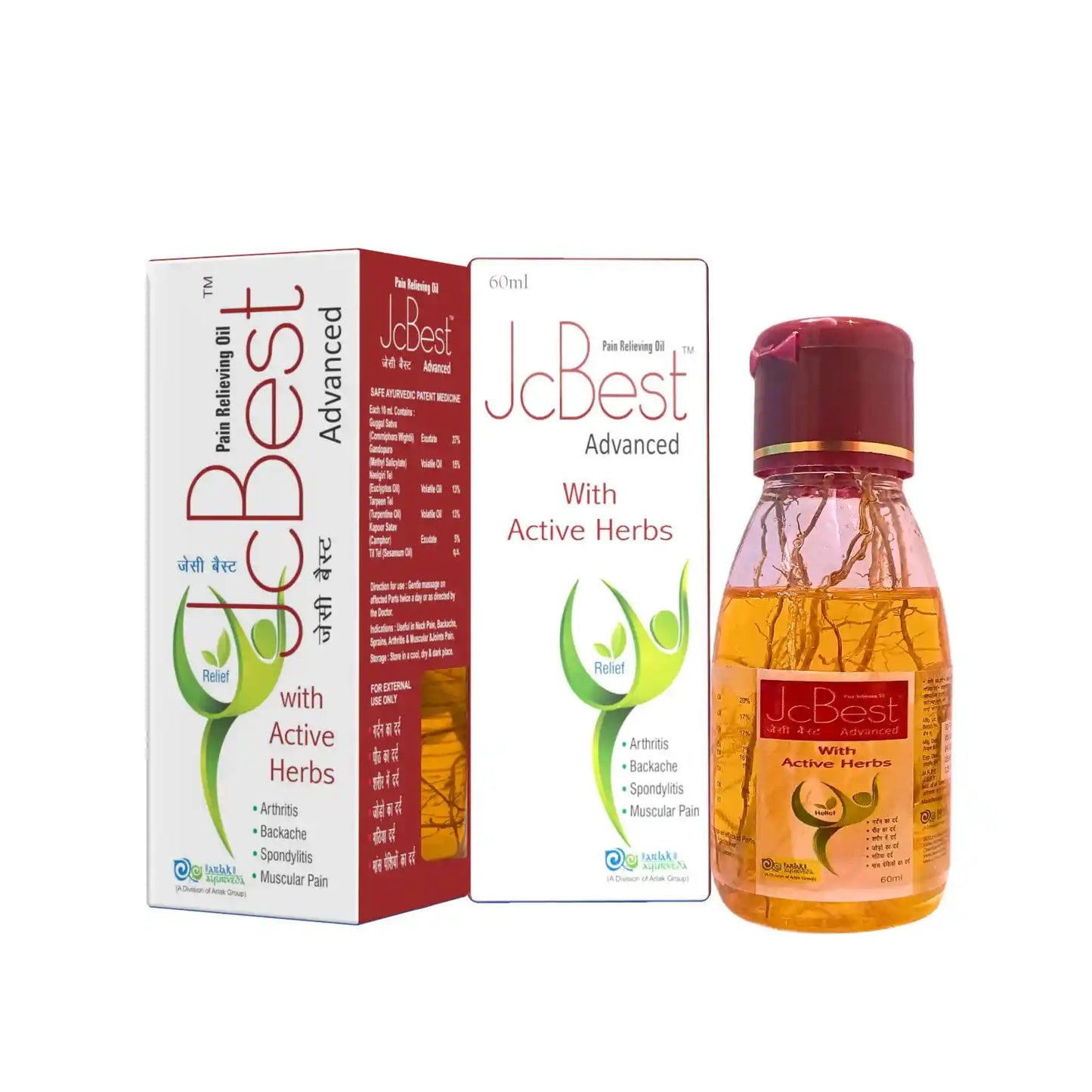
For everyday muscle discomfort, JC Best Ayurvedic Oil can be used as a massage oil. Its formulation includes ingredients such as Gandhapura, Neelgiri Tel, Guggal Satva, Tarpeen Tel, Kapoor Satav, and Til Tel. The oil is positioned for everyday joint and muscle discomfort and can complement habits such as hydration, gentle movement, and adequate rest.
Importantly, using a muscle pain relief oil does not replace the need to correct dehydration. If dehydration is contributing to cramps, restoring adequate fluid intake remains an important part of addressing the underlying issue.
When Should You Take Muscle Cramps Seriously?
Occasional cramps after exercise, sweating, or physical activity may not be unusual. However, frequent, severe, unexplained, or persistent muscle cramps deserve attention.
Consider speaking with a healthcare professional if muscle pain or cramps:
-
Keep returning without an obvious reason
-
Are severe or getting worse
-
Interfere with normal daily activities
-
Occur alongside significant weakness
-
Do not improve with appropriate rest and self-care
If you have symptoms of significant dehydration or feel seriously unwell, seek medical advice rather than relying only on home care or massage.
Build a Complete Muscle-Care Routine
Dehydration can be one factor associated with muscle cramps and discomfort, but maintaining healthy muscles involves more than simply drinking water. A balanced routine can include adequate hydration, regular comfortable movement, appropriate recovery, good sleep, and gentle massage when suitable.
JC Best Ayurvedic Oil can be included as part of this routine when muscles feel tired or uncomfortable. The key is to use massage as a supportive self-care practice while also paying attention to the possible cause of the discomfort.
Frequently Asked Questions
1. Can dehydration cause muscle cramps?
Yes. Dehydration can contribute to muscle cramps, particularly when fluid loss occurs through heavy sweating or physical activity. However, cramps can have several other causes too.
2. Can dehydration cause muscle pain and soreness?
Dehydration may contribute to muscle discomfort and fatigue, especially during or after strenuous activity. Persistent muscle pain should not automatically be attributed to dehydration.
3. What should I do when dehydration causes muscle cramps?
Focus on replacing lost fluids and reducing strenuous activity while your body recovers. If cramps are severe, frequent, or accompanied by other concerning symptoms, seek medical advice.
4. Can JC Best Oil help with dehydration-related muscle pain?
JC Best Ayurvedic Oil can be used as a gentle massage oil for everyday muscle pain. However, it does not treat dehydration itself. Adequate hydration remains important when dehydration is contributing to cramps.
5. Which muscles commonly experience cramps?
Cramps commonly affect areas such as the calves, feet, thighs, and other muscle groups, although cramps can occur in different parts of the body.
6. When should I see a doctor for muscle cramps?
Seek professional advice when cramps are frequent, severe, persistent, unexplained, or associated with significant weakness or other concerning symptoms.
Read More
Can Stress cause muscle pain?
पीठ दर्द के लिए घरेलू उपाय
Body Pain After a Long Day?
Can Muscle Pain Relief Oil Replace Physiotherapy?
Which Natural Ingredients Help Relieve Pain?
Muscle Pain Massage: फायदे, सीमाएं और जरूरी बातें